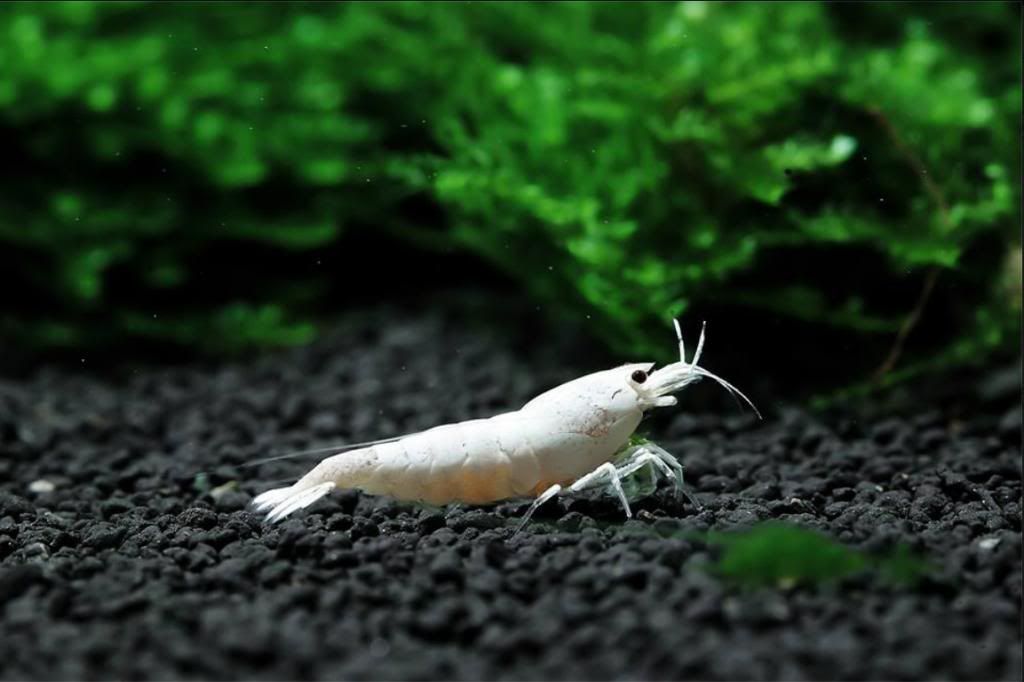
What's on This Page:
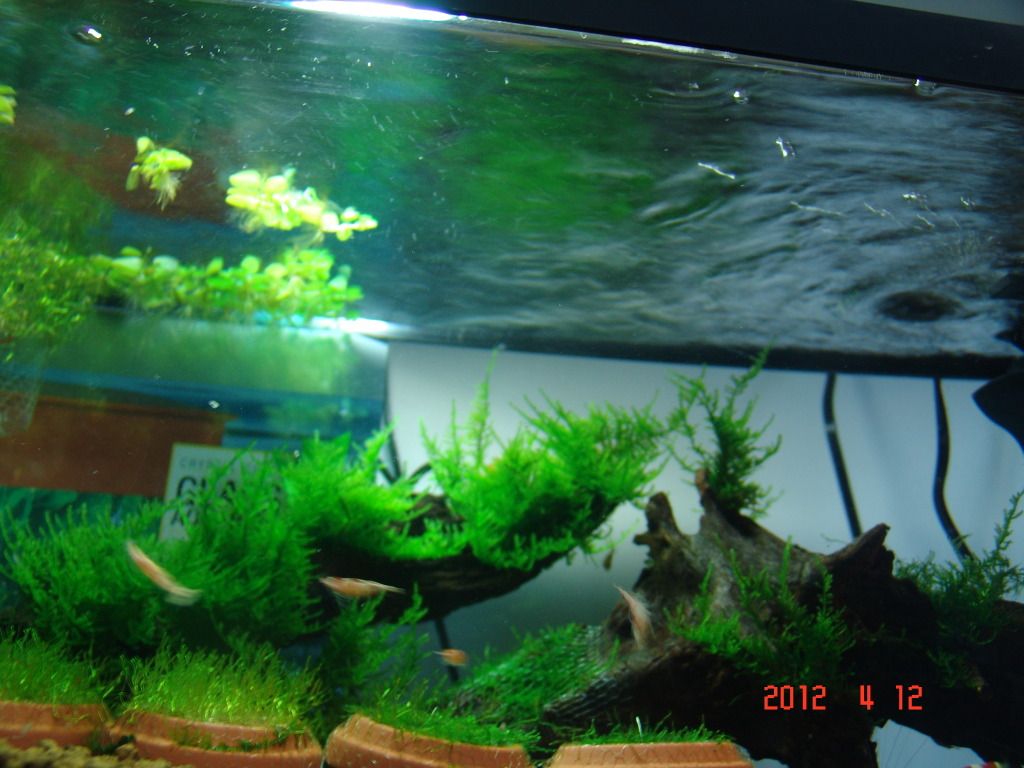
The way I set up a bee shrimp tank. There are many ways to do it, I think mine is probably one that's on the easy side as I generally tend to go for a lazy way if one exists.
Before You Read On:
I
know a picture is worth a thousand words, I will add more pictures
later on. But here is a post I made about my setup, you can take a quick
peek before you read on.
http://www.shrimpspot.com/index.php?/topic/1044-half-bare-bottom-tank-setup/?hl=%2Bhalf+%2Bbare+%2Bbottom
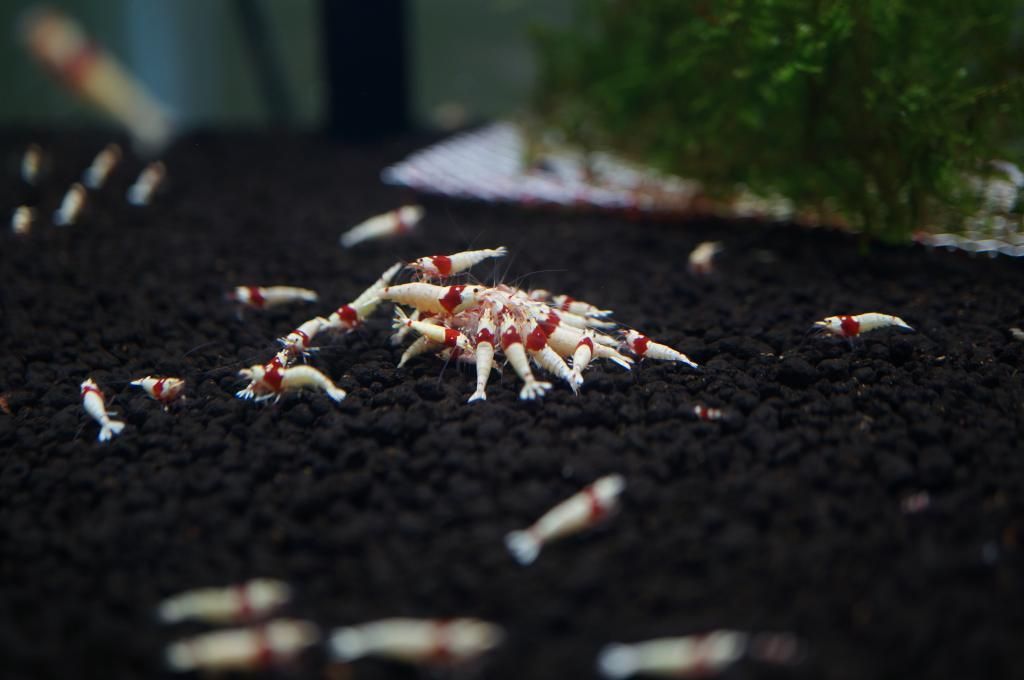
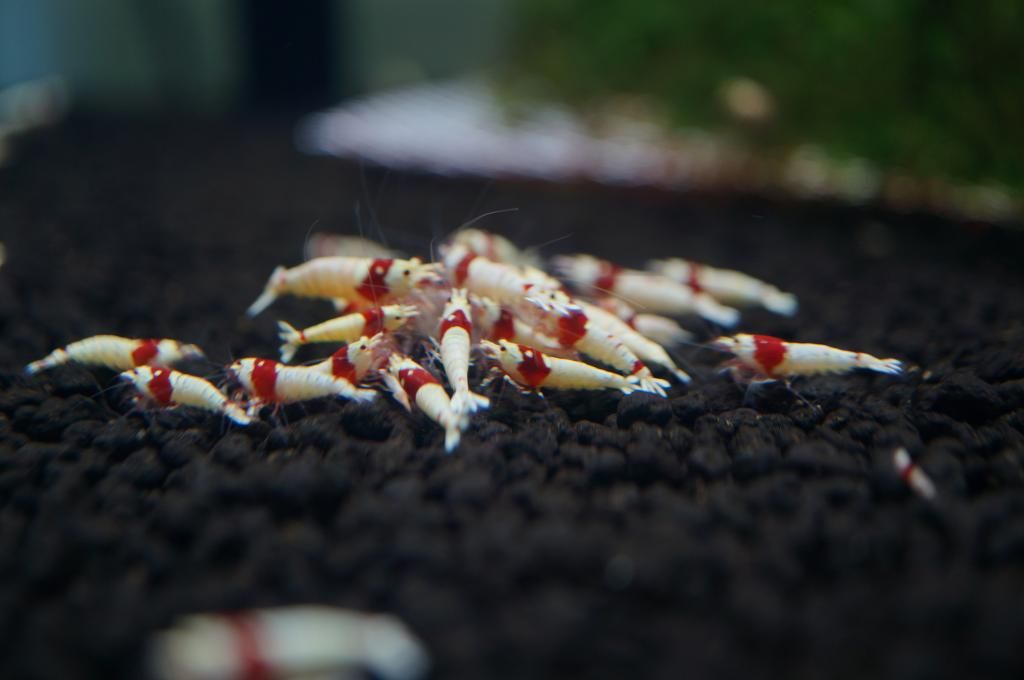
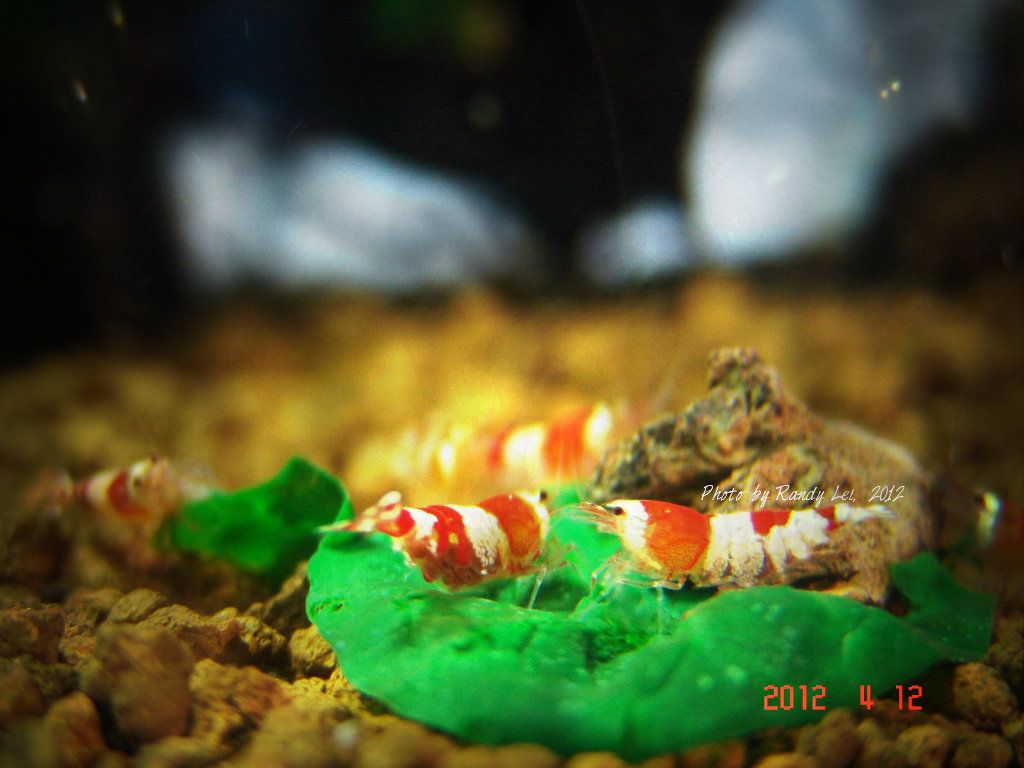
What are Bee Shrimps:
All
crystal family (CRS/CBS/Golden/Snowwhite), Taiwan bees, Pintos. I
actually set up my OEBT and BTOE tanks exactly the same way.
1. What You Need
You will need a tank, filtration, substrate, and water. Optionally and strongly recommended, some plants.
1.1 Tank:
Any
tank will do, the main consideration here is the size of the tank. In
general, I think anything between 10G-20G should work well for most
applications. A few other consideration,
- When selecting a tank for
shrimp, pick the ones that gives you a bigger bottom area. I have used
20G talls and they don't work as well as the shallower ones (12" or
less).
- If you only have 10 shrimps, it would work better to start
with a smaller tank (5G-10G range). Reason is that shrimps feel safe in
number, especially in a new environment. Try to have at least 2 shrimps
per gallon. The symptom of not enough shrmips is that they would hide
most of the time, not responding to food, and generally less active. If
they stay like that for an extended period, it is not good for them.
Healthy shrimps should be always moving, maybe a few 5 minutes breaks in
the corner everyday.
- A 10G tank can hold more than 500 bee
shrimps safely, but there's a difference between introducing 500 shrimps
in a 10G tank all at once and having 20 shrimps in there and they breed
out 500. The formal won't work too well, the later is every bit
possible and I've done it many times.
- Half Bare Bottom or not? If
you read the link above, you'll see my setup. Most of my tanks are set
up that way because it works better for me. I've listed all the thinking
behind the idea in that post.
1.2 Filtration:
Shrimps don't
eat a lot, so they don't produce a large amount of waste. Most filters
will work, following are some of the considerations,
- The most
important thing about the filtration in a shrimp tank is not the type
you use, but that you should cycle the filters properly.
- You
should have a solution for the filter intake unless you're using an
air-driven sponge filter. You should cover it so baby shrimps won't get
sucked in.
- For some reason, canisters don't work as well for me as
the HOBs. So I don't think you need to spend the extra money for them.
-
For my 15G - 20G tank, AquaClear 70 with a double sponge filter as the
pre-filter (avoid baby shrimps being sucked in) is my top choice. For a
10G - 15G, an AquaClear 50 is enough. For 5G tanks, you can either use
just double sponge filter or a small HOB.
1.3 Substrate:
ADA
Amazonia. You can try all different active substrates, but ADA Amazonia
is the one I find most consistent and with pretty good lifespan. Do make
sure you properly cycle the tank (filtration + substrate) as Amazonia
leaches Ammonia for at least 3 - 4 weeks (perfect for cycling the tank).
- Bare bottom? Yes, I have seen people trying it, most of them stopped after a while, at least those I'm aware of.
1.4 Water:
Other than the initial fill (I use tap water for that), you should use remineralized RO for water changes.
-
There are many products for remineralization, I personally only use MK
Breed Blue Diamond now as it's in liquid form, made from natural sea
water, and affordable.
- Don't mix tap with RO to achive the same
TDS/GH, it's NOT the same. You can find many many unwelcome substances
in the tap water. Aovid using tap water entirely, it will increase your
chance of success many many times.
1.5 Plants:
Having plants
in a tank makes a more stable environment. It promotes growth for many
micro organisms and most of them are beneficial to shrimps. I find that
most of the tanks that have good breeding result have lots of plants
(moss, mostly).
- I strongly recommand moss of any type(s). Java
moss if you don't mind the growing pattern (or lack of), coral or phonix
moss if you want the slow grower. I use peacock moss in most of my
tank, they grow reasonably fast. It's personal preference.
- You can
use many things to tie your moss on, I find drift wood or colla wood
work the best. But it will serve the same purpose even if you just float
a clunk of moss in the tank.
- I find that, when moss doesn't grow well, shrimps don't do that well in the same tank.
- Moss or similar plants provide good hiding and feeding areas for baby shrimps, very good to increase baby survival rate.
1.6 Other things I would recommend:
- Cholla wood. Shrimps enjoy picking on it for food and it provides more hiding places when shrimps find it necessary to hide.
-
Indian Almond Leaves. Very good stuff to have in your tank. It provides
some food for shrimps and also has some anti-bacterial effect and PH
lowering ability (although very limited). The verdic is, I find shrimps
like them and they don't do anything bad to my tanks. One leave per
5-10G is good, and add a new one when the old one starts to decay or be
eaten by shrimps. You can just rinse it with clear water then drop them
in to where you want them to be.
- Airstone. I find an airstone can
noticeably improve the shrimp activity level, especially when the tank
is considered warmer (over 23C / 73F).
1.7 Others:
- You can
have your favorite decorations in, but note that some stones will affect
PH and/or GH/TDS. My policy is, no stone in my shrimp tank, except
maybe the red larva rocks which I have used to no bad effect.
- I find that, the simpler the tank is, the less issues you will have in the long run.
-
You want some water circulation in the tank, you also want to make sure
shrimps can find a peaceful spot to chill easily if they want to.
2. Setting up a tank:
I'll list the steps I use to set up a tank, the ones listed as optional can be ignored completely
1. (Day 1) Wash and clean the tank, even if it's a brand new tank.
2.
(Optional) spread a thin layer of bacteria additive of your choice. Try
not to use multiple types unless you are SURE they work together.
3. Add substrate, about 1" thick.
4. (Optional) spread a thin layer of bacteria additive o fyour choice.
5.
Add another layer of substrate, total about 2.5" - 3" thick. If you
really want to be thorough, screen your substrate and use the bigger
granule ones in step 3, and smaller ones in this step.
6. Flatten the
substrate or make it however you like, most people make it so that the
front is about 0.5" thinner than the back. This makes scaping and
viewing easier.
7. Place a clean plate on the dry substrate, then add
water in. Direct the water flow to the plat so the water won't distrub
the substrate.
8. At this time, your water should be very slightly
cloudy or completely clean (depending how well you place the plate and
how carefully you added the water).
9. Turn on the filter and let it run for 24-48 hours.
10.
(Day 2 or 3) The water should be very clear now. Sometimes it will
still be a bit cloudy, this can be a result of certain batches of ADA
substrate. This is not a big issue and there's really not much you can
do about it. Doing water change won't fix it, nor will stuff such as
active carbon.
11. (Optaionl) Clean the filter, as it has sucked up all the dirty stuff from the new substrate.
12. Let the filter run, no need to turn on light.
13 (Day 7, optional) Add some more bacterial additives if you have it.
14.(Day
14) You can add drift wood, cholla wood, and plants in now. And start the
regular lighting period. My lights for shrimp tanks are on 7-9 hours a
day (depending on the size/shape of the tank, and lighting strength),
but at this stage, I would normally lengthen the lighting period to 10 -
12 hrs a day.
15. (Day 21) You can start testing for
ammonia(NH3/NH4+), every 2 - 3 days. When ammonia is very low, you can
start testing for nitrite (NO2) as well. You can add bacterial additive,
little and often like a little every day if you have it.
16 (Day X) When you find both ammonia and nitrite are zero at least two days in a row, your cycling process is done.
17
(Day X) Do a 100% water change (or as close to 100% as possible) with
remineralized RO (NO TAP WATER). I adjust my new water to about GH5 (TDS varies depending on what you use as mineral additive but should be
between 100-180, again, use GH as the indicator, not TDS).
18. Turn lighting period to normal if you started with longer period at step 14.
19 (Day X+5+, i.e. at least 5 days after step 18), you can add shrimps in.